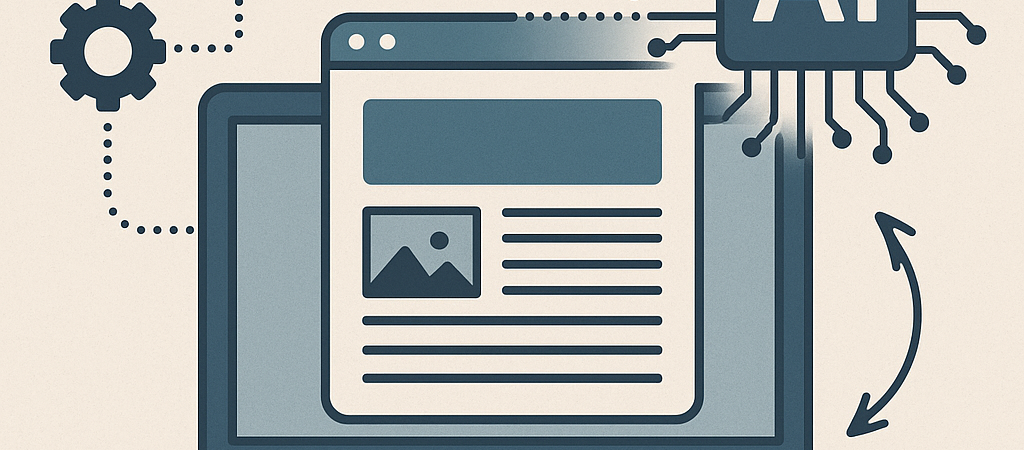
Why Automated Internal Linking Matters for Your Blog
Internal linking is a foundational SEO tactic that distributes link equity, establishes topical relevance, and guides users through your content. However, manually managing internal links becomes impractical as your blog grows. Leveraging AI to automate internal linking can save time, enhance SEO, and create a seamless reader experience — especially for WordPress bloggers managing hundreds or thousands of posts.
How AI Enhances Internal Linking Strategy
AI tools analyze your entire content database to identify semantic relationships, keyword overlaps, and content gaps. This intelligent analysis enables automated systems to suggest or insert internal links that are contextually relevant and SEO-friendly, avoiding random or spammy connections.
Benefits of AI-Powered Internal Linking
- Scalability: Automatically connect new and existing posts without manual intervention.
- Relevance: AI understands nuanced content topics, improving link quality.
- Continuous Optimization: Dynamic updates as you add or update content.
Step-by-Step Guide to Implementing Automated Internal Linking on WordPress
Step 1: Audit Your Existing Content
Before automation, perform a content audit using plugins like Rank Math or tools like Ahrefs to identify orphan pages, broken links, and content clusters that need better interconnection.
Step 2: Choose the Right AI-Powered Linking Plugin or Tool
Several WordPress plugins and SaaS solutions offer AI-driven internal linking capabilities. Examples include:
- Link Whisper: AI suggests relevant internal links during post editing and automates bulk linking.
- Contextual Related Posts: Uses AI to display related posts with contextual relevance.
- SEOPress PRO: Includes automated internal linking recommendations.
Step 3: Define Linking Rules and Parameters
Set criteria to ensure links remain SEO-valuable and user-friendly:
- Limit the number of links per post to avoid over-optimization.
- Prioritize links to cornerstone content or high-converting pages.
- Exclude certain categories or tags from linking to avoid irrelevant connections.
Step 4: Integrate AI Linking Into Your Workflow
Incorporate automated linking as part of your content creation and update process. For example:
- During post drafting, use AI suggestions to add internal links before publishing.
- Schedule monthly runs to update internal links on older posts as new content is added.
- Use AI tools to identify and fix broken or outdated links automatically.
SEO Best Practices for Automated Internal Linking
Automation should enhance, not harm, your SEO efforts. Follow these guidelines:
- Maintain link relevance: Ensure AI-generated links connect semantically related content.
- Use descriptive anchor text: Prefer natural, keyword-rich anchors over generic phrases.
- Balance link distribution: Avoid excessive linking to a single page to prevent dilution.
- Monitor link health: Regularly check for broken or redirected links introduced by automation.
Common Pitfalls in AI-Driven Internal Linking and How to Avoid Them
Over-Automation Without Oversight
Blindly trusting AI to insert links can lead to irrelevant or spammy connections. Always review AI suggestions and fine-tune rules.
Ignoring User Experience
Links should serve readers by providing additional value and context. Avoid excessive links that distract or confuse.
Neglecting Cornerstone Content
Make sure your automation prioritizes linking to your most important pages to strengthen their authority.
Case Study: Scaling a Niche Blog’s Traffic with Automated Internal Linking
A niche affiliate site with 500+ posts integrated Link Whisper into their editorial workflow. By automating internal link suggestions and bulk linking orphan pages, the site saw a 25% increase in organic traffic within 3 months, improved average session duration, and boosted keyword rankings for cornerstone content.
Recommended Tools and Integration Tips
- Link Whisper: Seamlessly integrates with WordPress editor and supports bulk link management.
- Yoast SEO: Combine with internal link suggestions add-ons for enhanced automation.
- Google Search Console: Monitor internal link distribution and indexing health.
- Zapier or Integromat (Make): Automate triggers for link audits or content updates.
Actionable Checklist
- Conduct a comprehensive content audit to identify linking needs.
- Select an AI-powered internal linking tool suited for your WordPress setup.
- Configure linking parameters focusing on relevance, anchor text, and link limits.
- Integrate internal linking into your publishing and content update workflows.
- Regularly review and adjust AI suggestions to maintain quality and user experience.
- Monitor SEO metrics to measure the impact of automated internal linking.